English

English
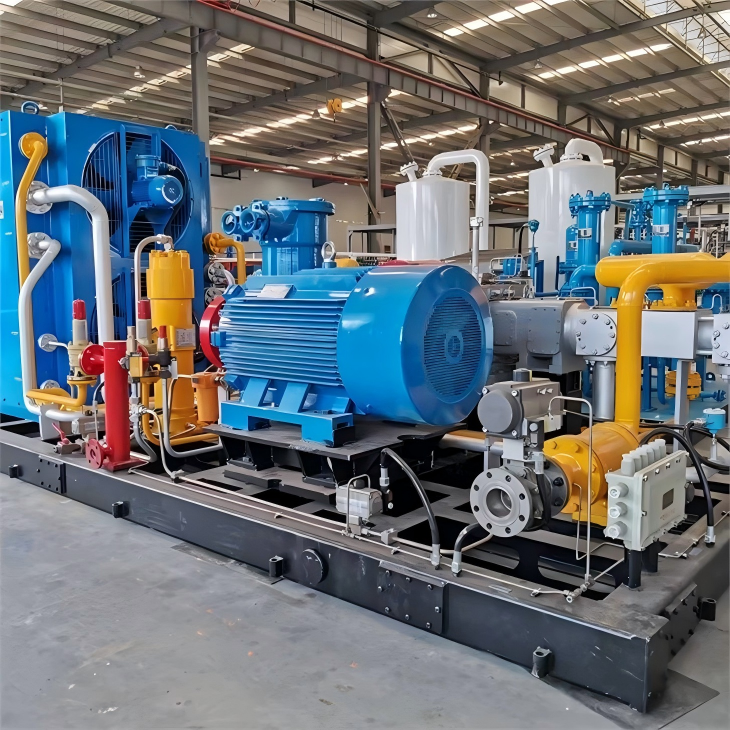
Overview:
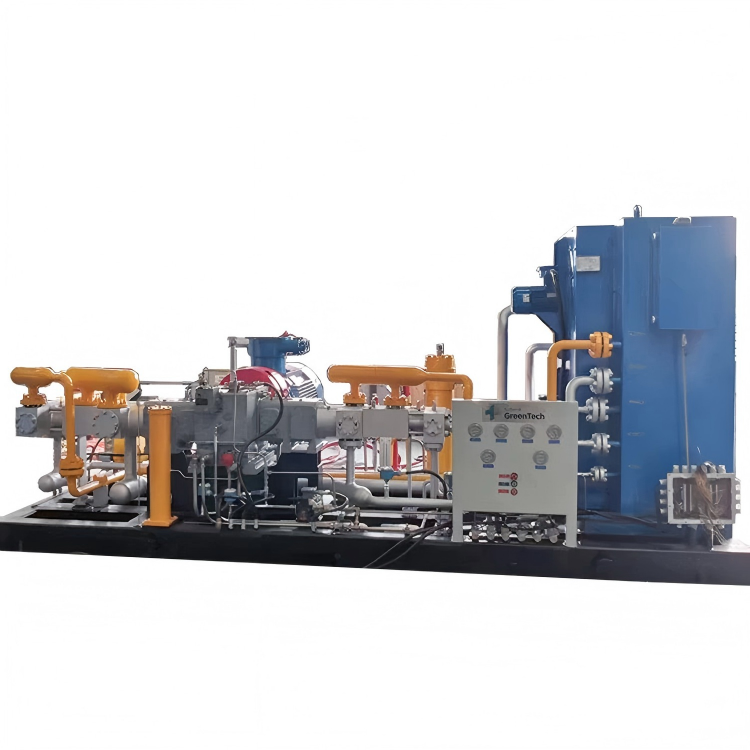
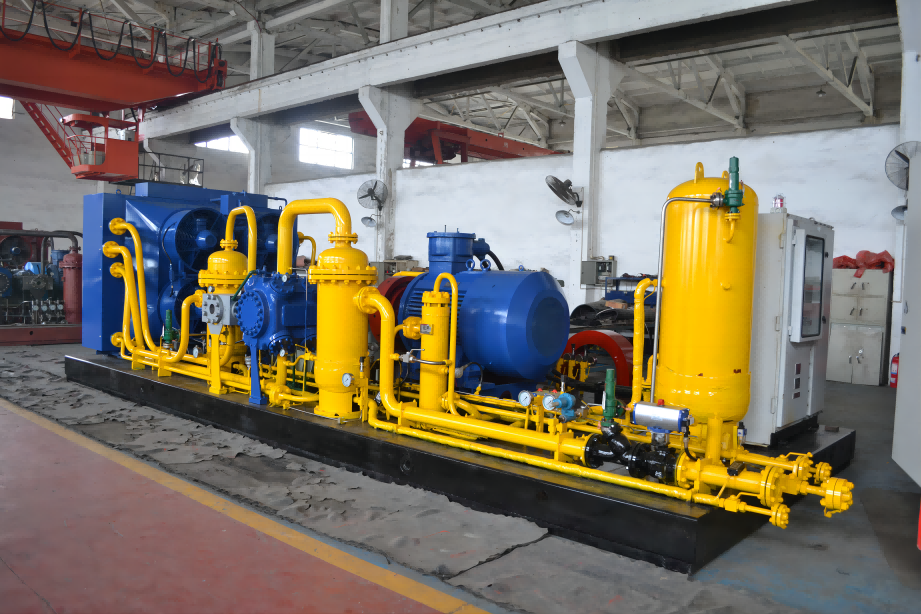
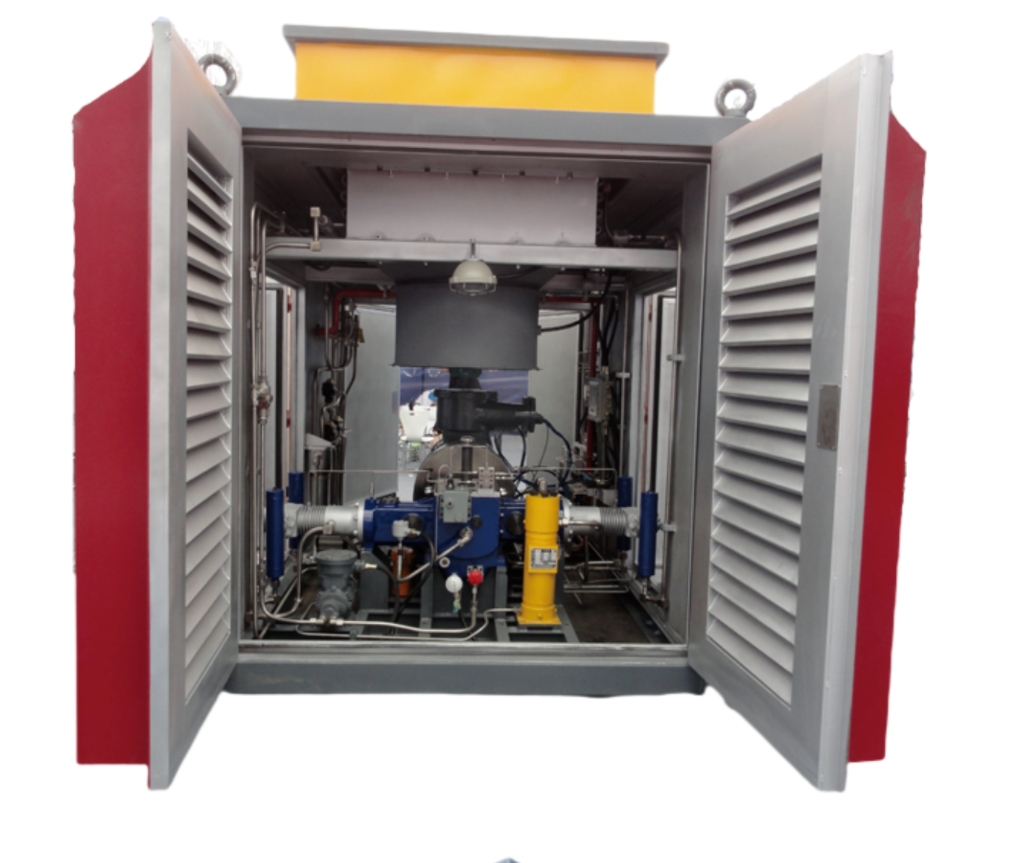
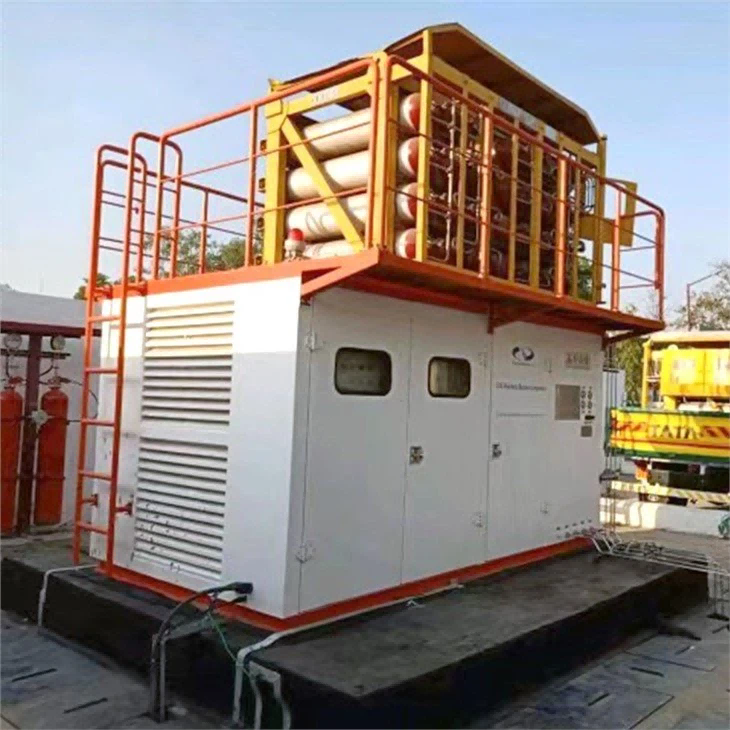
M-type CNG compressor adopts four rows of symmetrical balance structure, four rows of crank 90° each other, reciprocating inertia force fully balanced, stable operation of the unit, small vibration. The machine has compact structure and easy maintenance. Especially suitable for the integration of large capacity compressors in large CNG mother tation, which requires five stages of compression.
Features:
1、Simple structure, easy to maintain
2、High reliability, good safety performance
3、High compression ratio, low energy consumption
4、Wide adaptability, extensive application range
5、Relatively low cost
Main Components:
Component Name | Description | Remarks |
Engine Block | The foundational structure of the compressor, including the cylinder block and crankcase. It supports the cylinder liner, crankshaft, connecting rod mechanism, and other components, ensuring their precise alignment. | Provides structural integrity and precise positioning for all major components. |
Crankshaft | In the compressor, the crankshaft transmits power by converting the motor's rotational motion into the piston's linear reciprocating motion. It endures various complex mechanical loads, necessitating high strength, high rigidity, and excellent wear resistance. | Critical for power transmission and motion conversion, requiring durable and robust material properties. |
Connecting Rod | Connects the crankshaft to the piston, enabling the conversion of motion and transmission of power. The connecting rod is ingeniously designed to withstand the changes in tensile and compressive forces during operation. | Essential for motion conversion and power transmission, capable of handling varying mechanical stresses. |
Piston Assembly | Consists of the piston head, piston rings, piston pin, and piston rod. The shape and size of the piston must match the cylinder. The piston rings provide sealing to prevent high-pressure gas from leaking through the gap between the piston and the cylinder. | Crucial for maintaining the compression and efficiency of the engine, ensuring optimal performance and minimal gas leakage. |
Crosshead | A key component in the transmission system that connects the piston rod to the connecting rod. | Essential for ensuring smooth and precise motion transfer between the piston rod and the connecting rod. |
Packing | Responsible for sealing between the cylinder and the piston rod, ensuring that gas does not leak during the compression process. | Vital for maintaining the integrity and efficiency of the compression process by preventing gas leakage. |
Specification
1 | Model No. | MH3-32 |
2 | Compressible medium | Natural Gas |
3 | Type | Balance opposed reciprocating compressor |
4 | Compression stage | 4 |
5 | Inlet pressure (gauge pressure) (MPa) | 0.2-9 |
6 | Intake gas temperature (℃) | ≤30 |
7 | Outlet pressure (gauge pressure) (MPa) | 25 |
8 | Outlet gas temperature (after cooling) (℃) | ≤15℃ above ambient temperature |
9 | Gas supply (Nm3/h) | 1000-10000Nm3/h |
10 | Shaft power (kw) | 163KW |
11 | Motor power (kw) | 250-1600KWR |
12 | Engine speed (rpm) | 1485 |
13 | Motor voltage (V) | AC380V±7% |
14 | Drive type | Direct motor connection, soft starter |
15 | Cooling type | Air cooling |
16 | Cylinder lubricant | Oil free structure, less oil lubrication |
17 | Fuel consumption (g/h) | 60 |
18 | Oil pump pressure (MPa) | 0.4-0.8 |
19 | Explosion-proof grade main motor | ExdⅡBT4, IP54, Class F Insulation |
20 | Noise (sound pressure level) | Noise <75db(A) at 3m from Skid |
21 | Control mode | PLC+soft starter |
Main Components:
Component Name | Description | Remarks |
Engine Block | The foundational structure of the compressor, including the cylinder block and crankcase. It supports the cylinder liner, crankshaft, connecting rod mechanism, and other components, ensuring their precise alignment. | Provides structural integrity and precise positioning for all major components. |
Crankshaft | In the compressor, the crankshaft transmits power by converting the motor's rotational motion into the piston's linear reciprocating motion. It endures various complex mechanical loads, necessitating high strength, high rigidity, and excellent wear resistance. | Critical for power transmission and motion conversion, requiring durable and robust material properties. |
Connecting Rod | Connects the crankshaft to the piston, enabling the conversion of motion and transmission of power. The connecting rod is ingeniously designed to withstand the changes in tensile and compressive forces during operation. | Essential for motion conversion and power transmission, capable of handling varying mechanical stresses. |
Piston Assembly | Consists of the piston head, piston rings, piston pin, and piston rod. The shape and size of the piston must match the cylinder. The piston rings provide sealing to prevent high-pressure gas from leaking through the gap between the piston and the cylinder. | Crucial for maintaining the compression and efficiency of the engine, ensuring optimal performance and minimal gas leakage. |
Crosshead | A key component in the transmission system that connects the piston rod to the connecting rod. | Essential for ensuring smooth and precise motion transfer between the piston rod and the connecting rod. |
Packing | Responsible for sealing between the cylinder and the piston rod, ensuring that gas does not leak during the compression process. | Vital for maintaining the integrity and efficiency of the compression process by preventing gas leakage. |