English

English
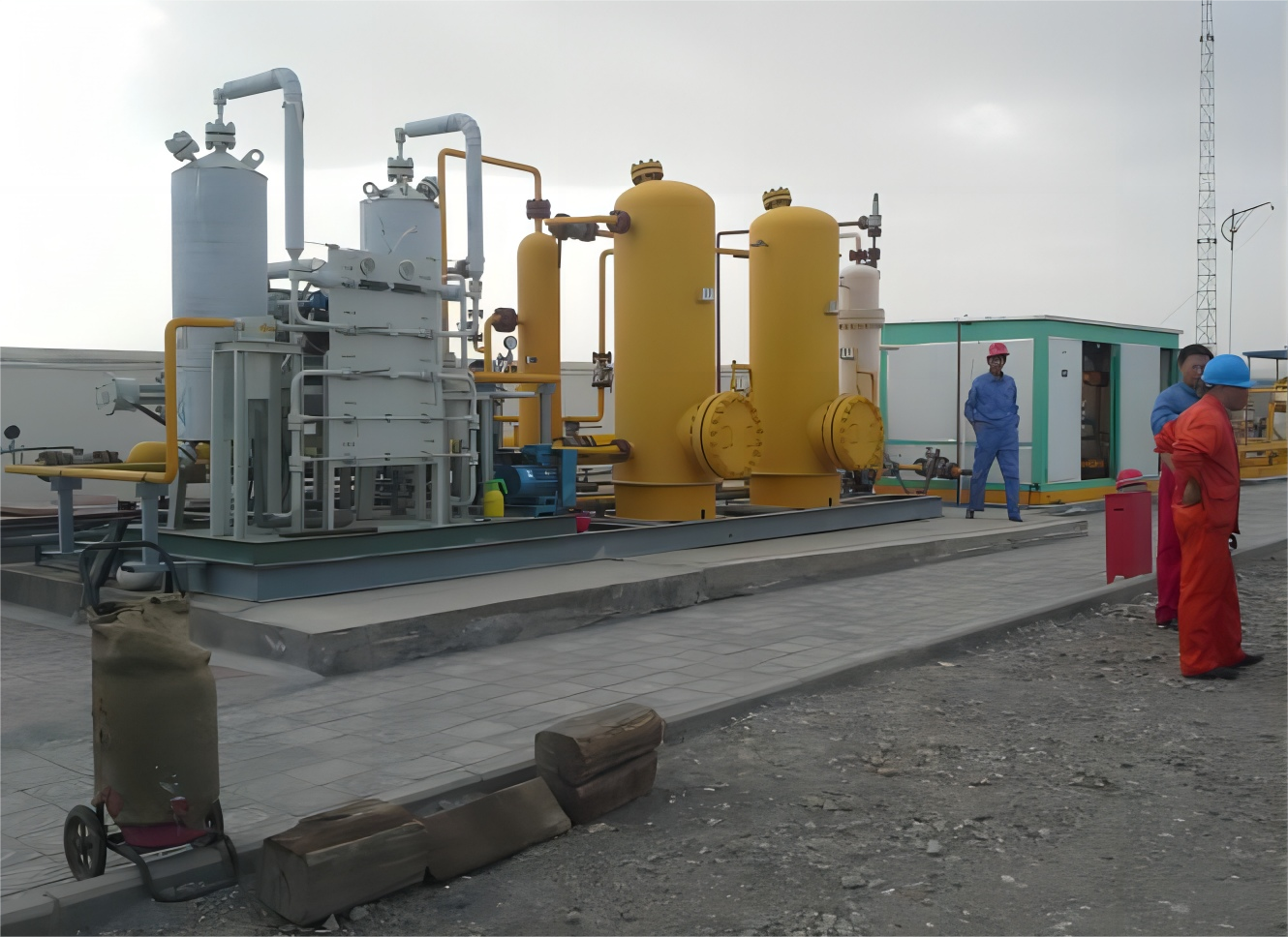
Overview:
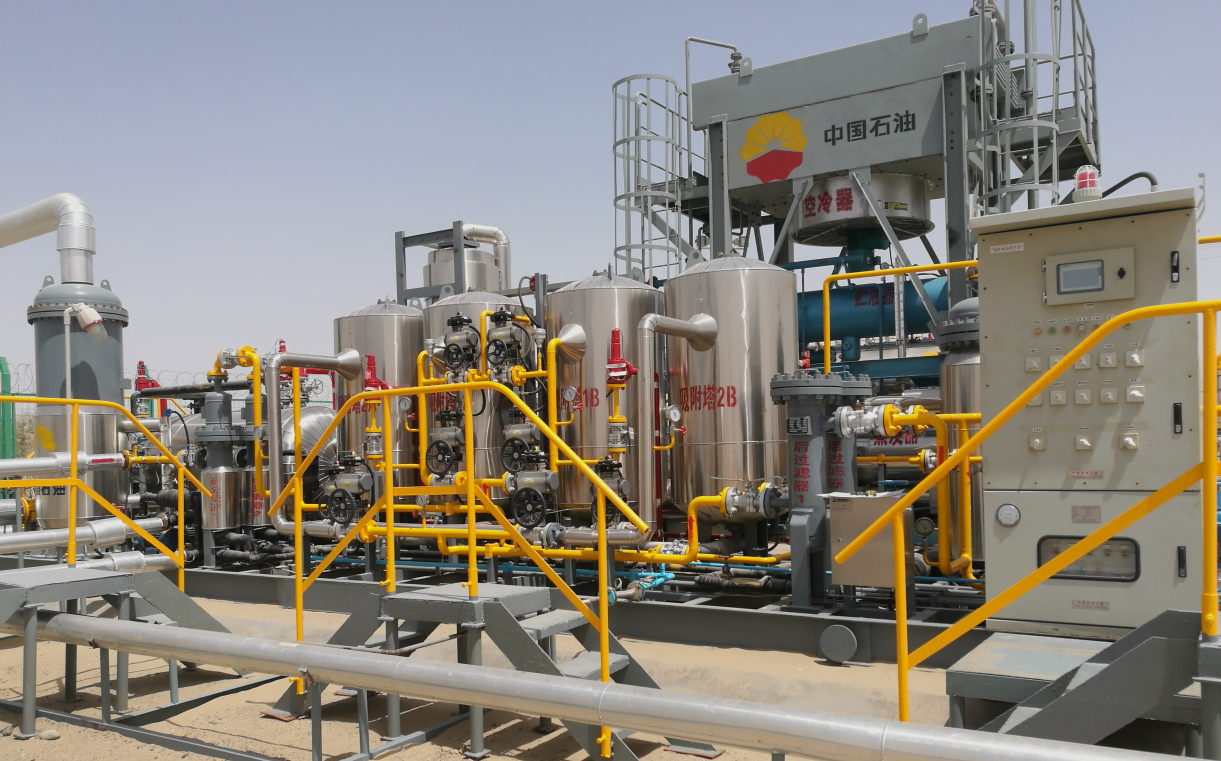
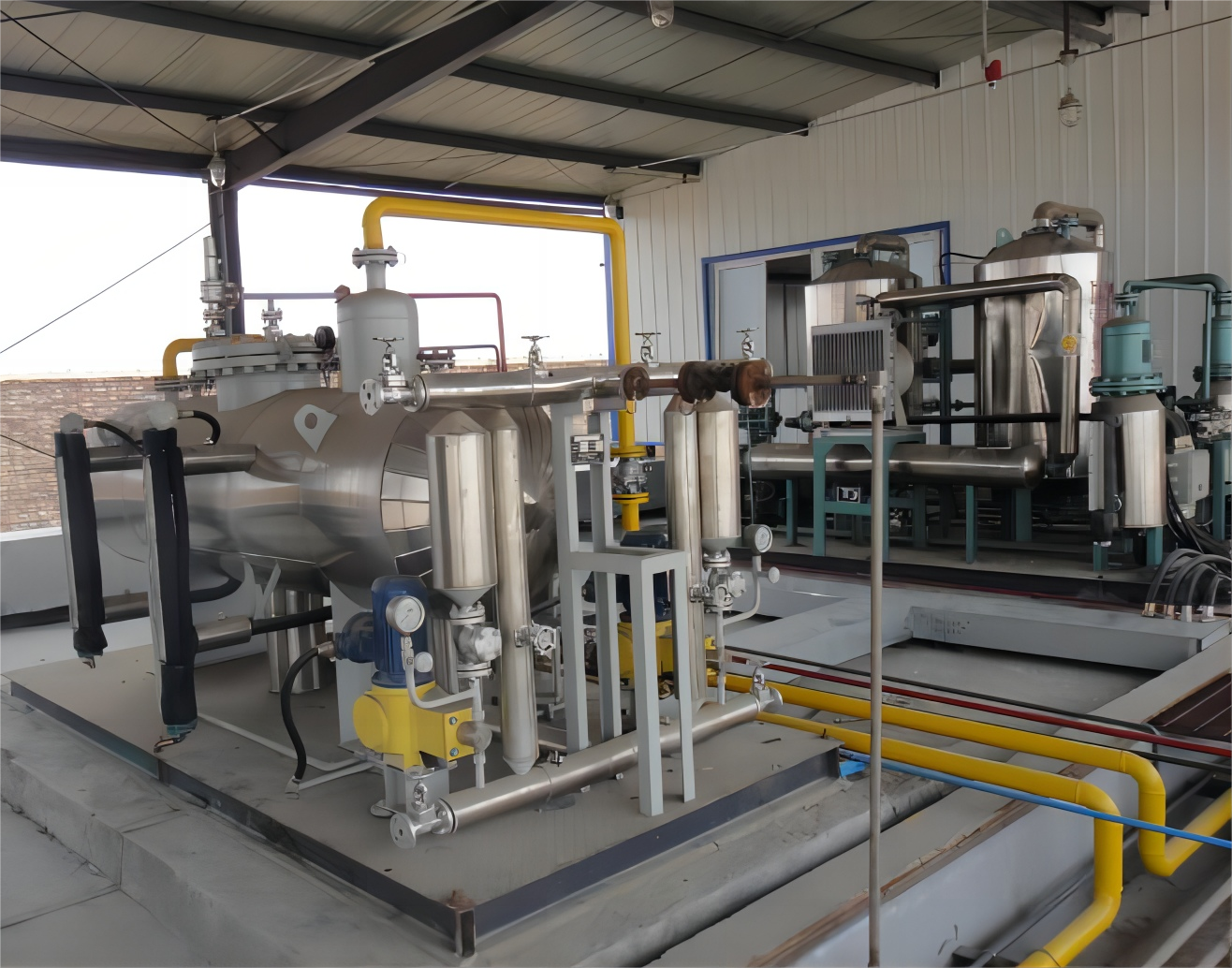
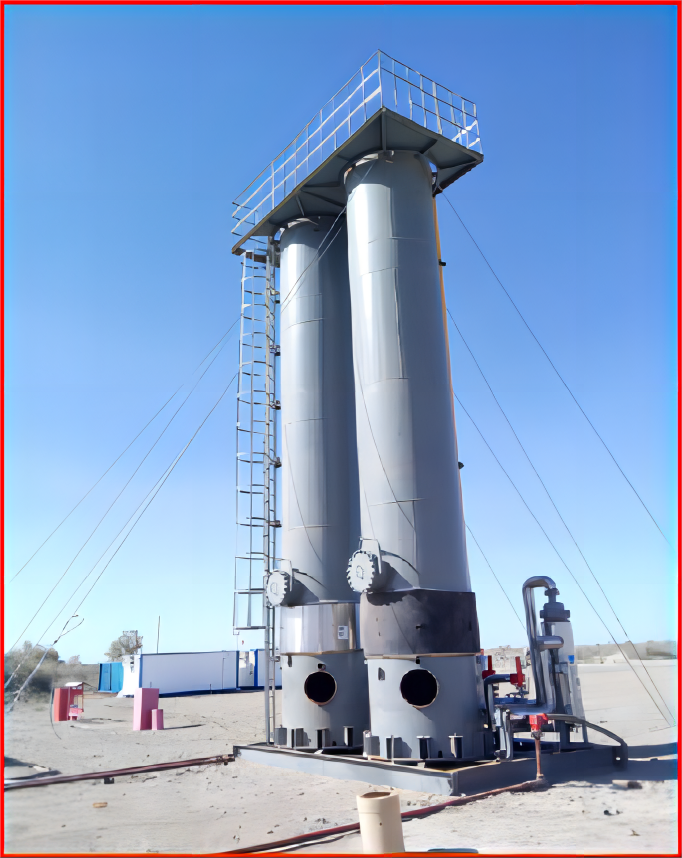
The recovery and utilization of associated gas in oil fields primarily involve the processing of the associated gases generated during the petroleum extraction process to recover valuable components such as methane, ethane, propane, butane, and so on. These components can undergo further processing and be sold externally as pure components, LPG, or natural gas blends.
Features:
1. Efficiency: Associated gas recovery and utilization technology is highly efficient, effectively recovering and utilizing valuable components in associated gases, reducing energy waste.
2. Cost-effectiveness: By recovering and utilizing associated gas, it can lower the energy costs of oil fields, leading to improved economic benefits.
3. Environmental Friendliness: Associated gas recovery and utilization can reduce greenhouse gas emissions, promoting an environmentally friendly approach and contributing to green and low-carbon development.
4. Safety: Associated gas recovery and utilization technology can reduce natural gas flaring and mitigate safety risks.
5. Renewability: Associated gas recovery and utilization technology is sustainable and can continually increase in value as the associated gas volume grows with the increasing lifespan of oil fields.
6. Versatility: Associated gas recovery and utilization technology offers various processing methods, such as liquefaction, compression, purification, to meet diverse needs in different sectors.
7. Flexibility: Associated gas recovery and utilization technology can be adjusted flexibly according to market demands and the actual conditions in oil fields, such as modifying recovery rates and production scales.
8. Technological Maturity: Associated gas recovery and utilization technology has matured over the years and has been applied extensively, meeting the practical production requirements.
Process Flow:
1. Associated Gas Collection: During crude oil extraction, associated gas is produced along with crude oil from underground wells. Since the associated gas is usually mixed with crude oil, it needs to be separated from the oil at a separation station, a process typically conducted on-site at the oil field.
2. Gas-Liquid Separation: The mixture of associated gas and crude oil first enters a three-phase separator or a gas-liquid separator, where an initial separation occurs. This step separates natural gas, liquids (mainly crude oil and water), and solid impurities, ensuring that most liquids and impurities are removed from the associated gas.
3. Gas Purification: The separated associated gas may contain impurities such as hydrogen sulfide, carbon dioxide, and water vapor, which require further purification. Common purification processes include desulfurization, dehydration, and carbon dioxide removal to ensure the quality of the associated gas meets the requirements for downstream processing or transportation.
4. Compression Treatment: The purified associated gas generally needs to undergo compression to increase its pressure, making it easier to transport or utilize in subsequent processes. Compressors play a crucial role in this step, typically compressing the associated gas to a certain pressure to facilitate its entry into pipelines or other storage facilities.
5. Gas Fractionation and Processing: The compressed associated gas can be further fractionated to separate valuable light hydrocarbons such as liquefied petroleum gas (LPG), condensate, ethane, propane, and others. This process usually takes place in a gas processing plant.
6. Storage and Transportation: The products from the fractionated associated gas (e.g., natural gas, LPG) are stored in specific storage tanks or transported via pipelines to downstream users or markets. Excess associated gas can be injected into underground storage facilities for future use.
7. Utilization and Sales: The final separated products, such as natural gas and LPG, can be used for power generation, heating, chemical feedstocks, and other applications or transported to the market for sale through pipelines.