English

English
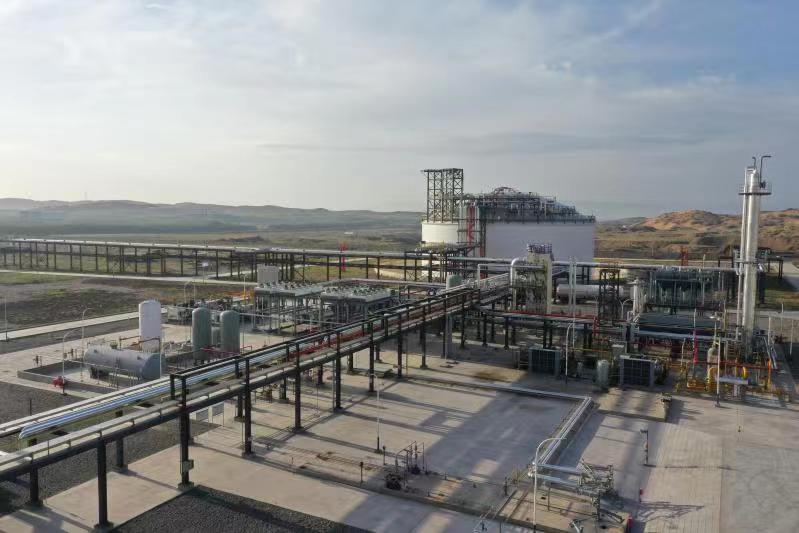
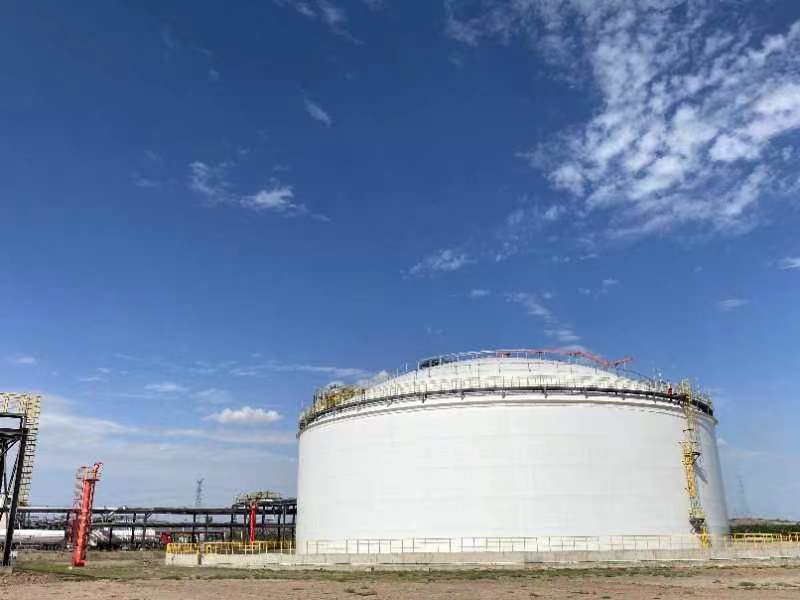
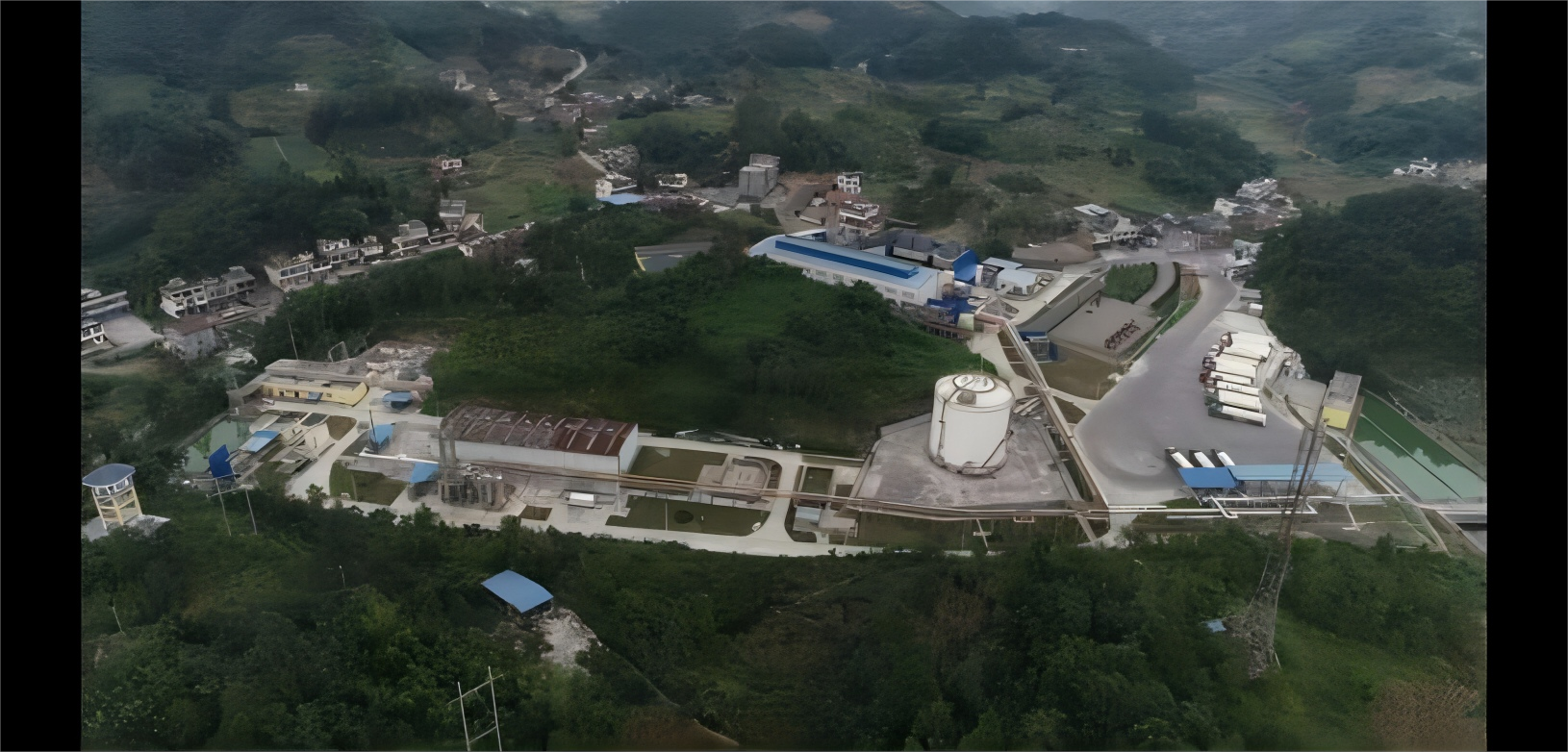
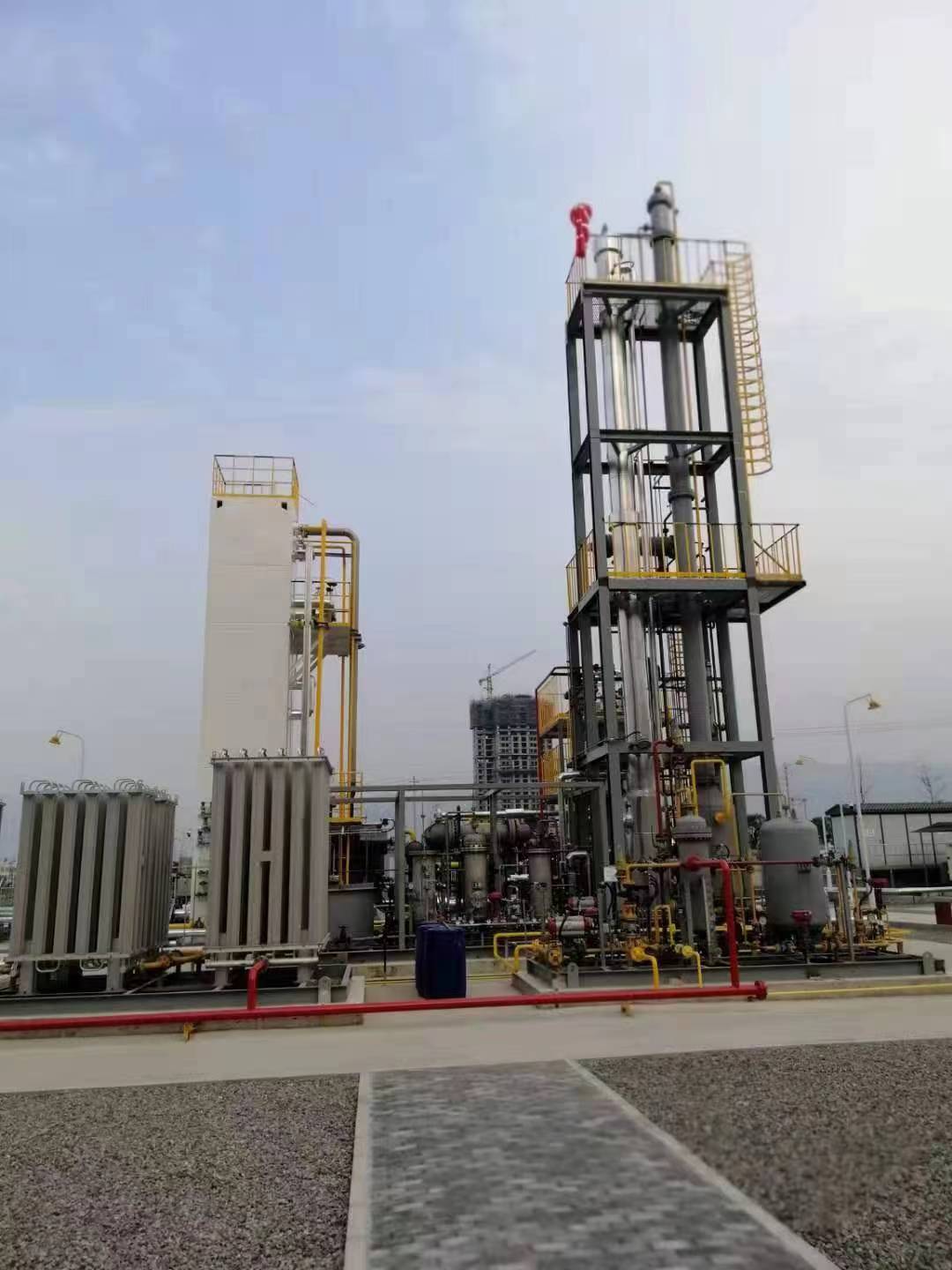
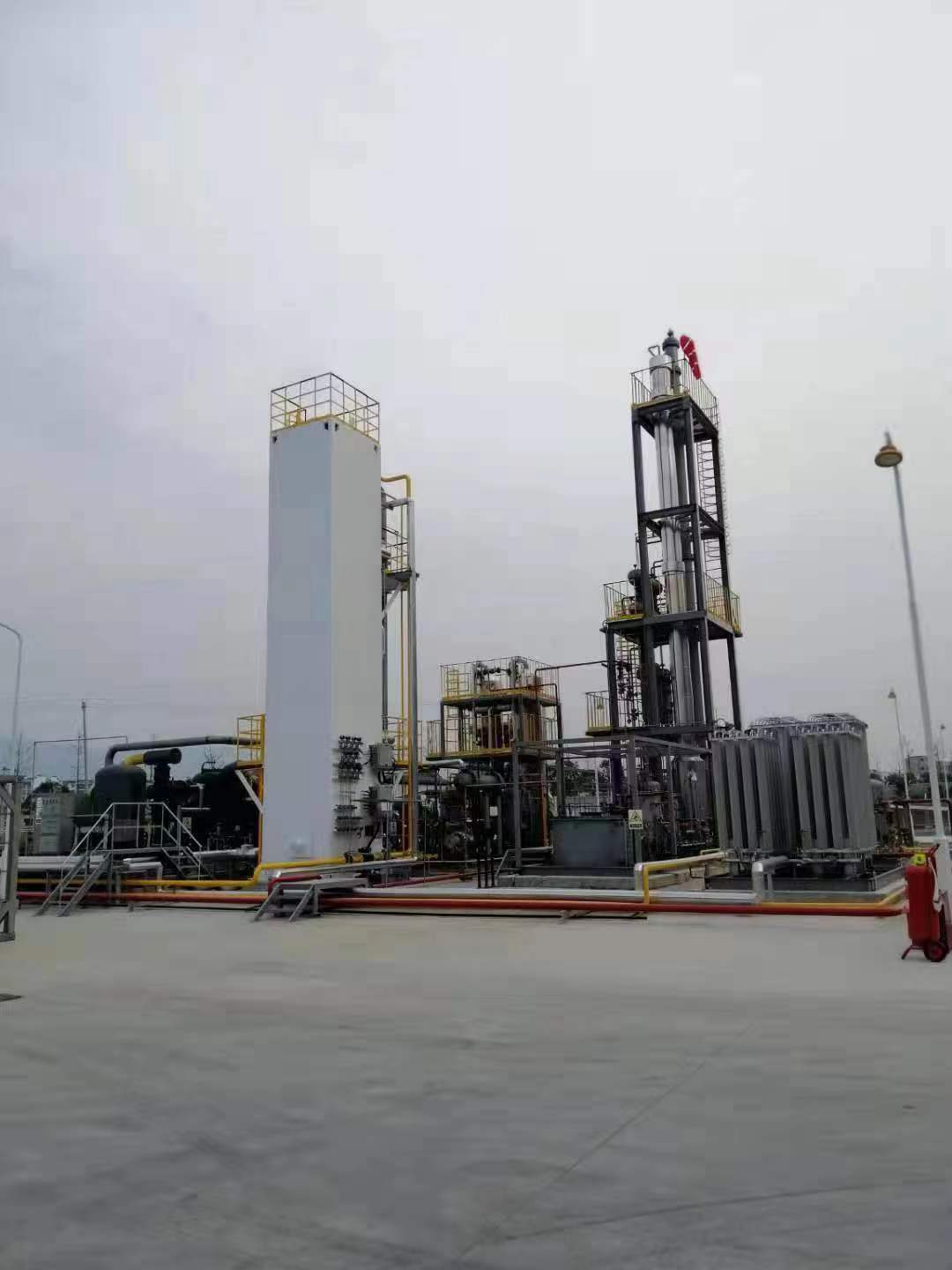
Overview:
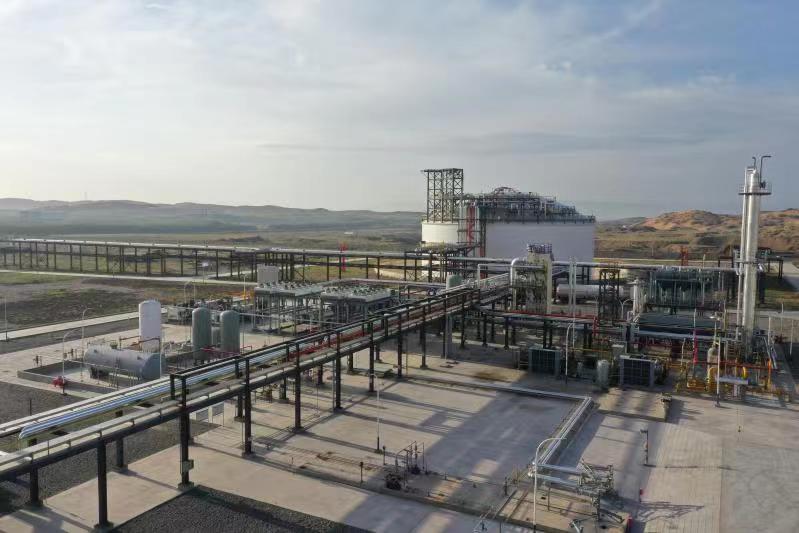
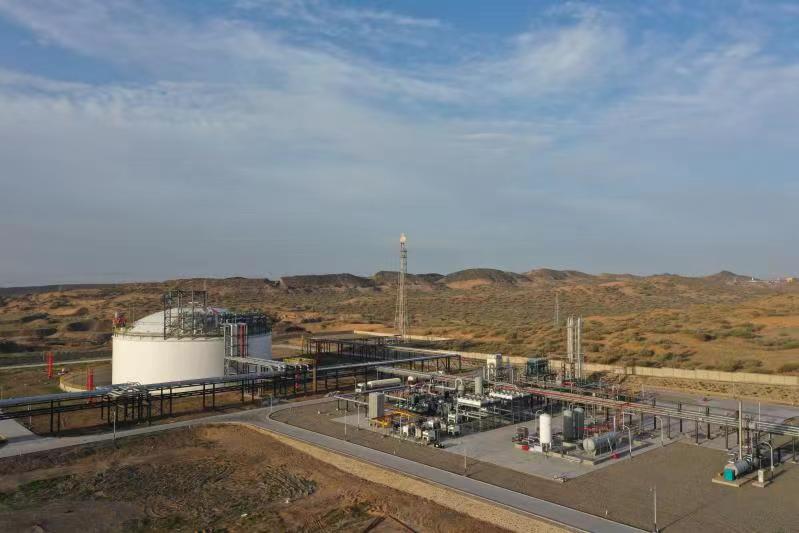
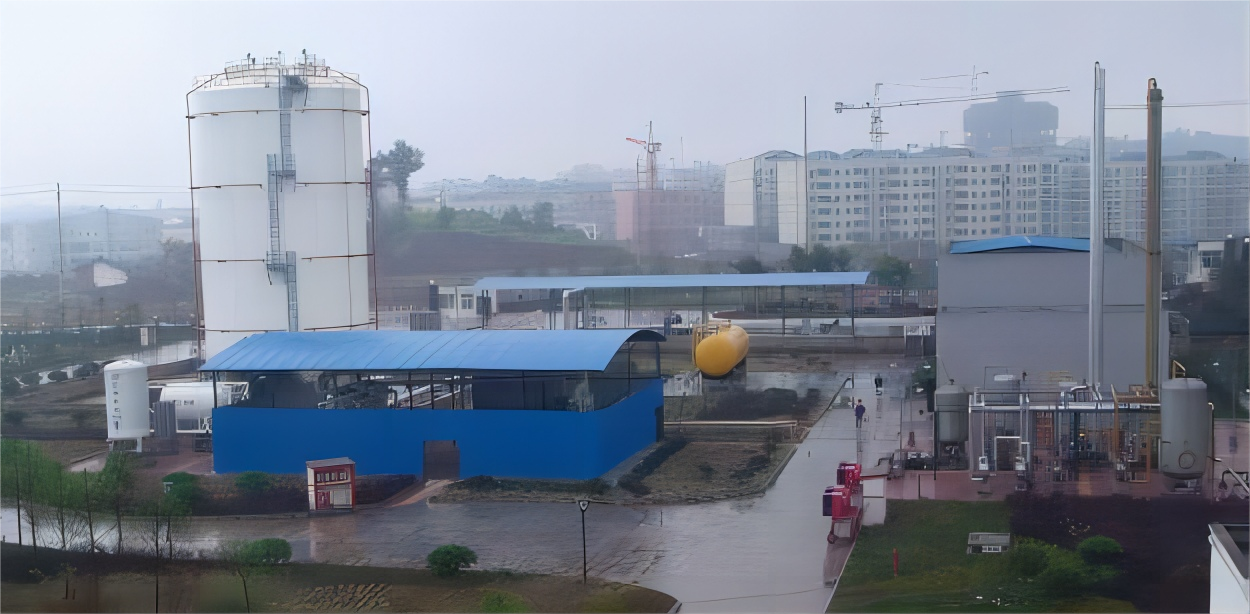
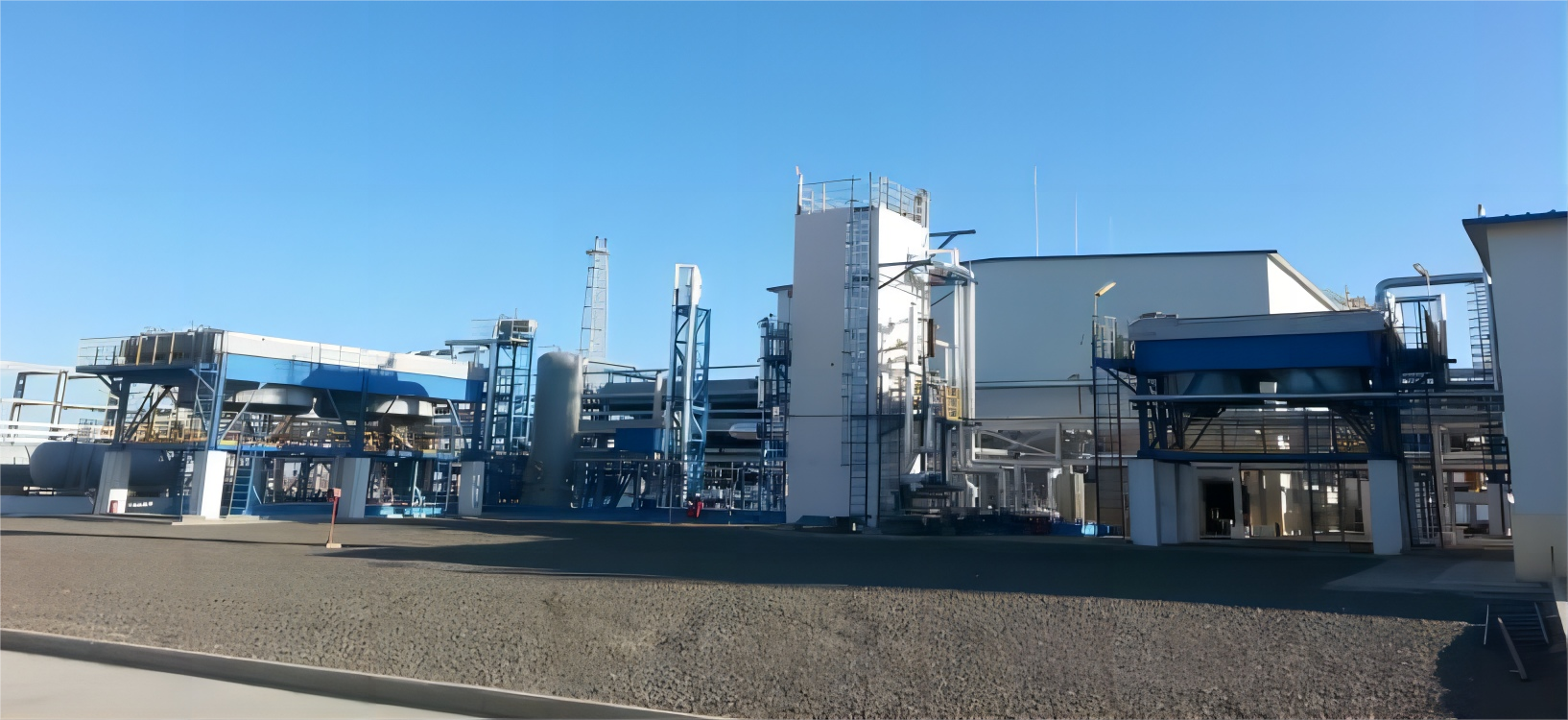
The 500,000 m³ liquefaction plant is a large-scale LNG production facility dedicated to liquefying and storing natural gas. Such plants are typically located near natural gas production sites or transportation hubs to facilitate the delivery of liquefied natural gas to needed locations.
Features:
Massive scale: The plant has a very large capacity, capable of processing vast amounts of natural gas. This scale enables the plant to meet large energy demands and promote stable energy supply.
High-tech equipment: To liquefy and store natural gas, the plant uses advanced equipment such as liquefiers, storage facilities, and transportation apparatus. These typically offer high efficiency and reliability to ensure stable operation.
Strict environmental requirements: LNG is a clean energy source with low pollutant emissions during combustion. Therefore, the plant must comply with stringent environmental regulations to minimize environmental impact.
Highly automated: To increase production efficiency and reduce costs, the plant employs highly automated production processes, including automated control, monitoring, and alarm systems to ensure safe and efficient operation.
High safety standards: Given that LNG is flammable and explosive, the plant incorporates rigorous safety measures, fire protection systems, and emergency plans to safeguard both the facility and personnel.
Strategic location: The plant is usually located near natural gas production areas or transportation hubs, reducing transportation costs and improving logistics efficiency, thereby offering customers more convenient and reliable services.