English

English

Overview:
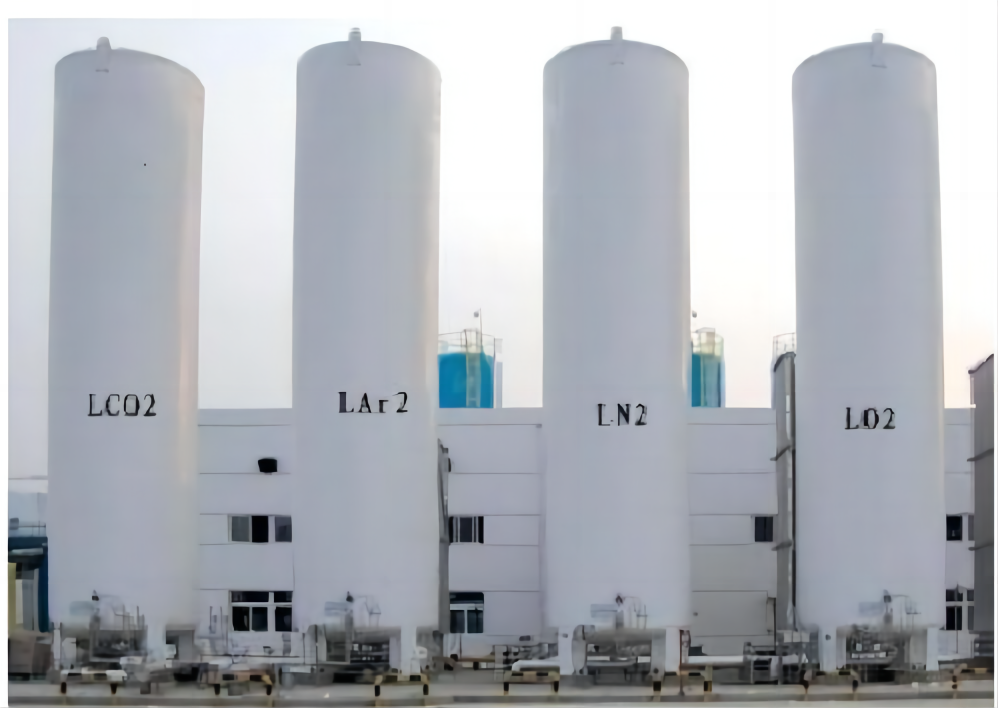
An LNG satellite station is a facility for handling LNG transported from LNG storage terminals via tanker trucks or rail. The system consists of LNG storage tanks, vaporizers, and heat control devices. LNG satellite stations help establish a virtual LNG pipeline, enabling the delivery of natural gas to remote areas not served by conventional pipelines. Such stations are typically designed to meet demands of over 1,000 Nm³/h and are equipped with multiple LNG storage tanks and vaporizers.
Features:
Flexibility: Compared with large-scale LNG receiving terminals, LNG satellite stations are more flexible and can be quickly built and put into operation as needed. This is especially important for small and medium-sized towns and specialized manufacturing facilities that require clean energy.
Moderate Scale: LNG satellite stations are usually medium-sized, without the massive storage capacity of large terminals, yet capable of meeting a certain level of supply demand.
Flexible Transportation: The transportation methods for LNG satellite stations are adaptable, allowing the choice of suitable modes such as rail or water transport depending on actual conditions.
Ease of Operation and Management: LNG satellite stations often use advanced automated control systems that allow remote monitoring and operation, greatly enhancing convenience and efficiency in management.
Low Operating Costs: Due to their moderate scale, LNG satellite stations can adopt more economical and efficient equipment and technologies, reducing operational costs.
Environmental Friendliness: As a clean energy source, LNG helps reduce environmental impact when used in satellite stations, meeting environmental protection requirements.