English

English
Features:
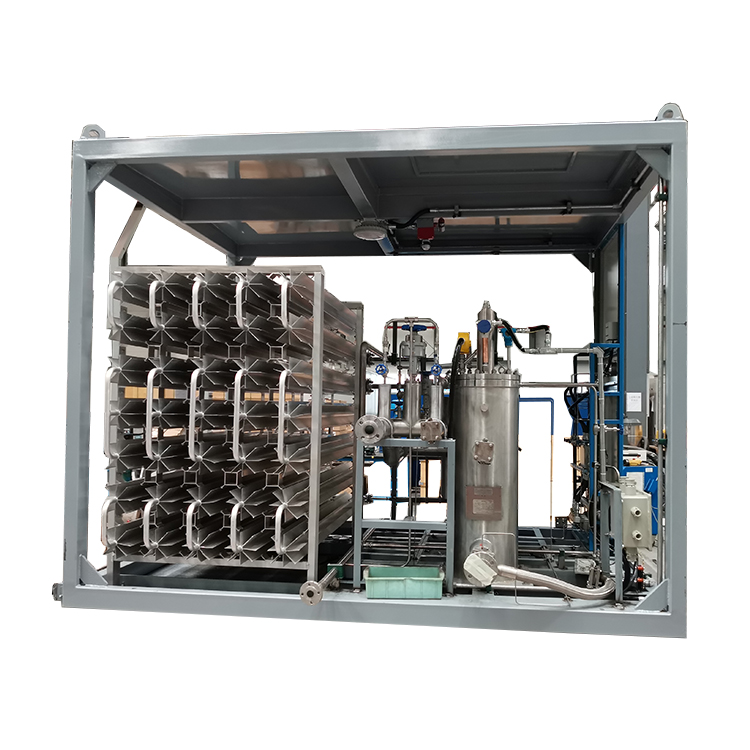
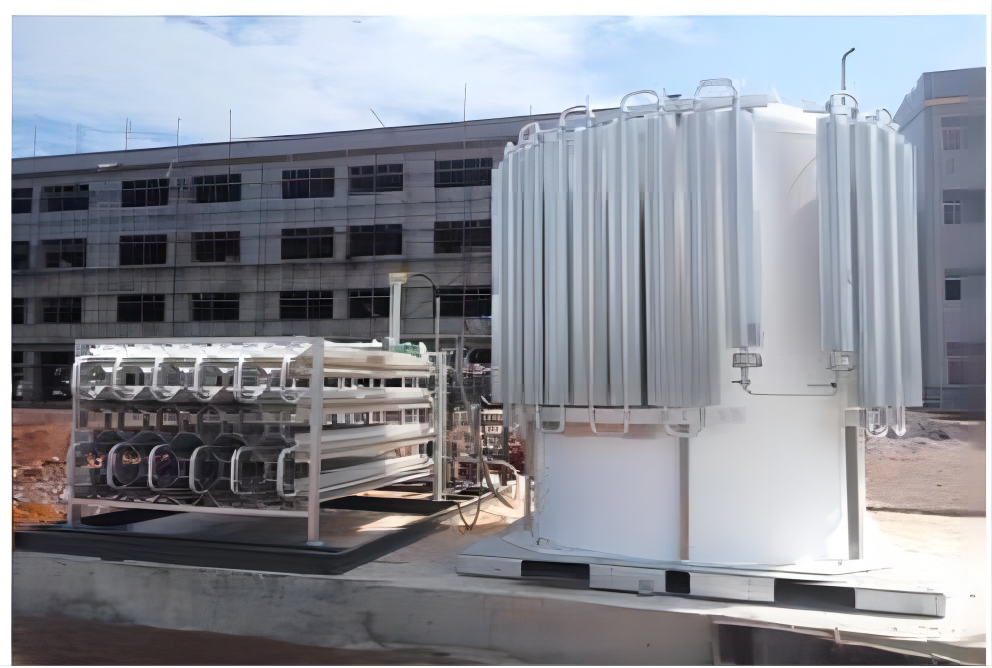
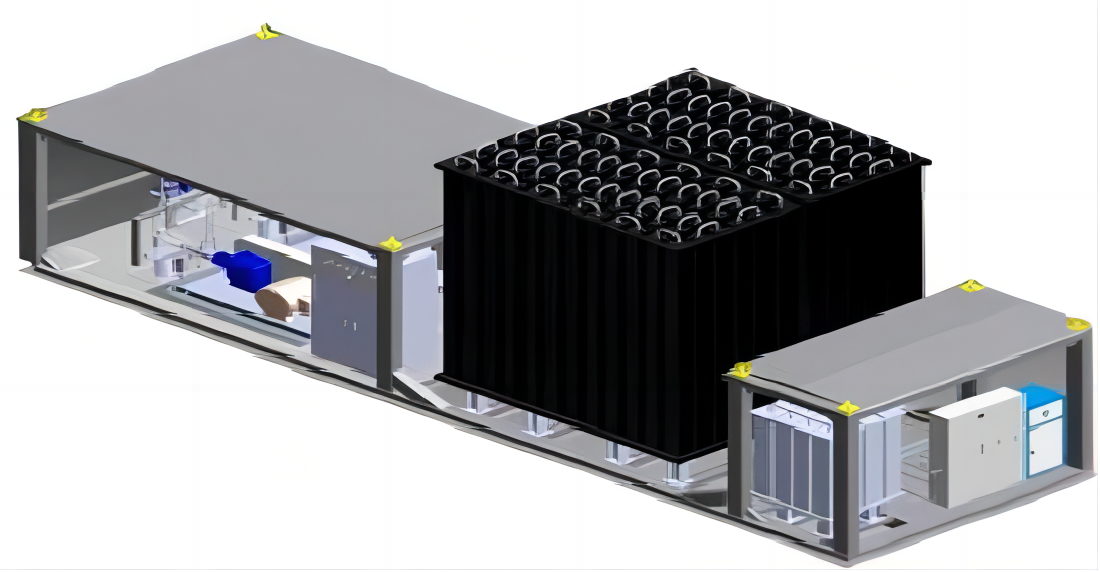
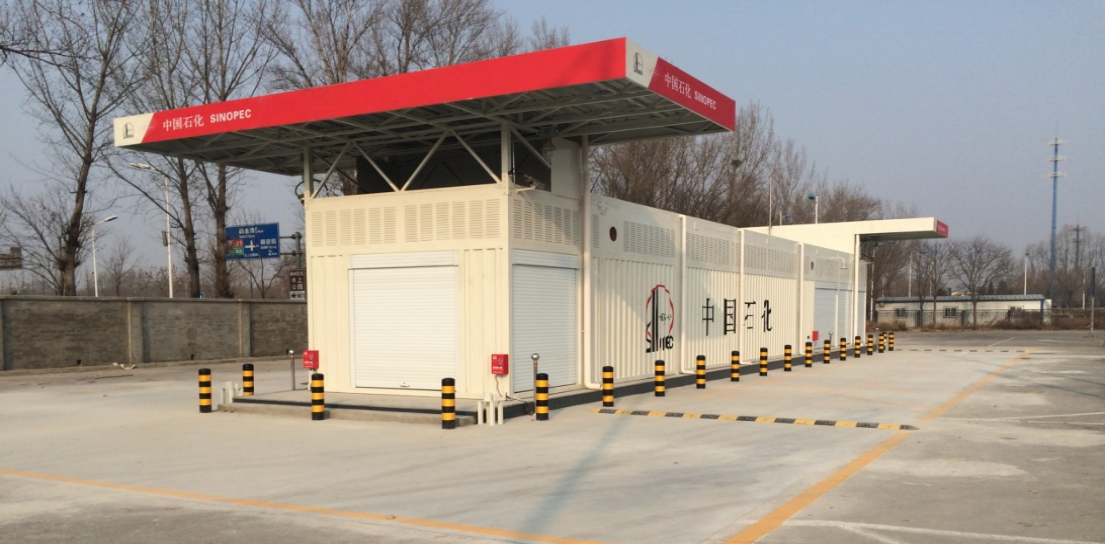
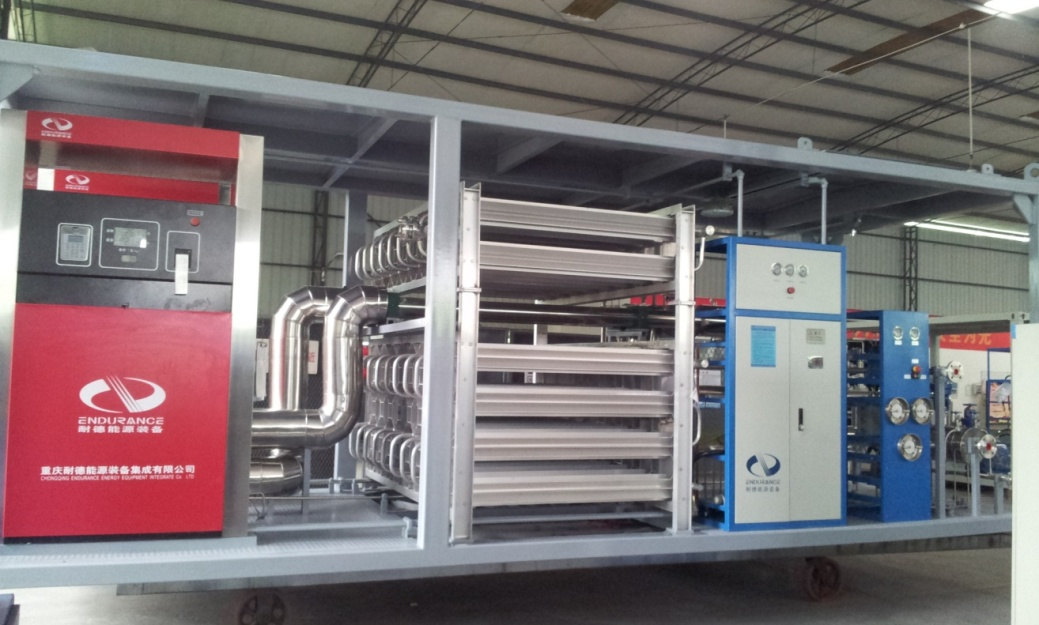
The box-type skid-mounted LNG refueling unit adopts an integrated design, combining a 60 m³ LNG storage tank, stainless steel containment pool, dual-pump pipeline, combined vaporizer, and two LNG dispensers. Once the equipment is installed in place, only the PLC control system wiring is needed before commissioning and operation.
The storage tank is a siphon tank with a low-level liquid outlet at the bottom, ensuring smooth LNG flow into the pump pool at low liquid levels. This allows normal pump operation and achieves a storage utilization rate of over 90%.
The dispenser layout can be customized at one or both ends as required. Two dispensers can refuel simultaneously.
The submersible pumps can be used alternately or simultaneously.
The skid interior has ample space for convenient operation, maintenance, and repair.
Applications:
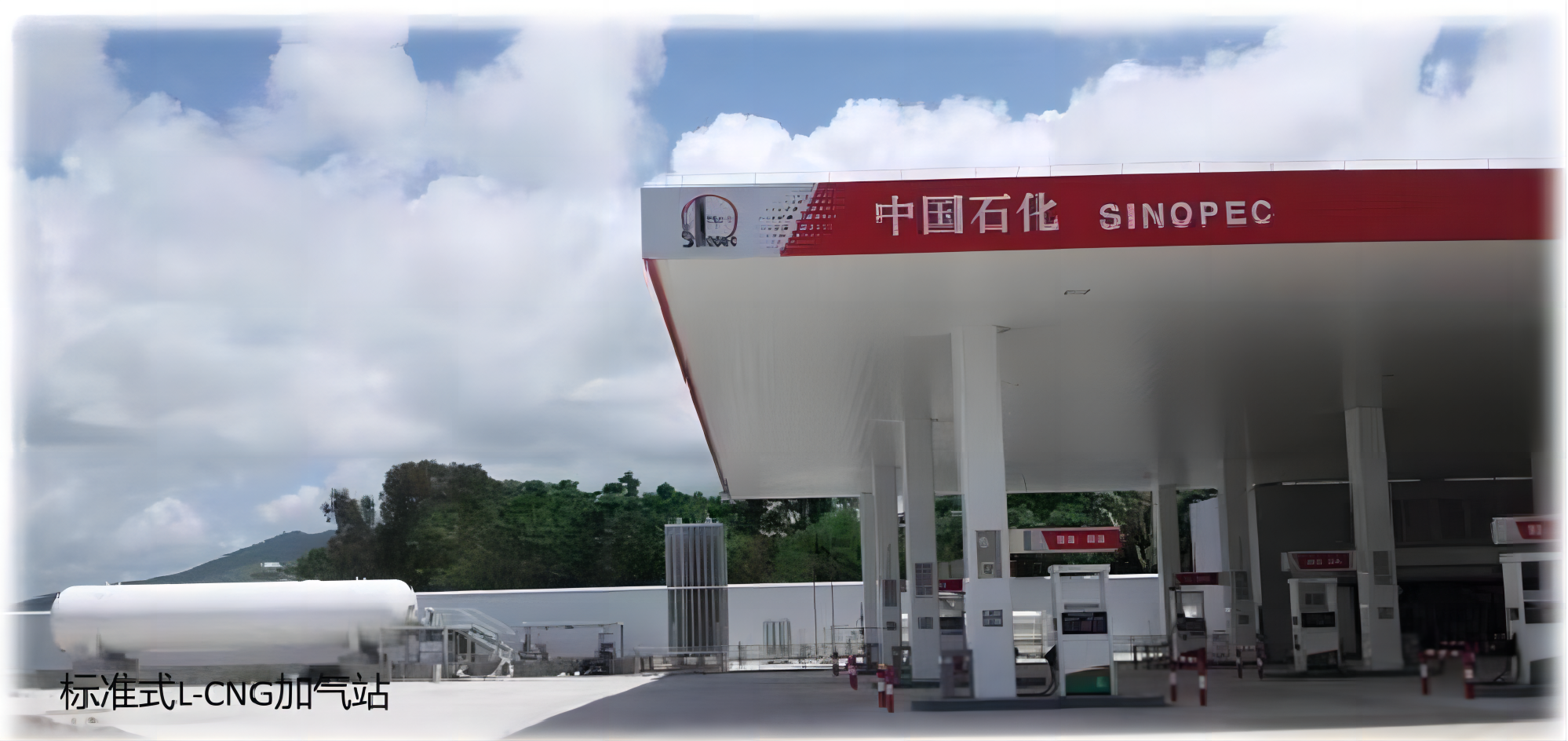
Skid-mounted LNG refueling stations have a wide range of applications. They can provide clean energy refueling services for buses, logistics vehicles, long-distance coaches, and also serve industrial parks, ports, and terminals. The station location can be flexibly changed according to market demand.
Precautions:
The skid station must be located in a safe area. The fire safety distance from roads, buildings, and power lines must comply with regulations.
Firefighting equipment must meet local management requirements and should be purchased by the user.
Avoid damaging the anti-corrosion coating during installation.
Electrical and anti-static wiring must be securely connected.
After installation, the tank and pipeline system should undergo air-tightness testing with compressed air or nitrogen.
Before filling with LNG, the system should be purged with nitrogen or vacuumed to remove air.
Electrical wiring must be checked before powering up; wrong connections are strictly prohibited.
Operators must receive equipment and operation training, and be familiar with the structure, working principles, and procedures of the full system, including dispensers, pumps, and valves.
Operator clothing must be anti-static.
A canopy should be provided for sunshade protection over all parts of the station.
The spray system should be connected to a reliable water source to ensure timely cooling of the storage tank.