English

English


A 1,000,000 m³ liquefaction plant generally refers to a large-scale LNG storage and production facility. Such a plant typically consists of multiple large storage tanks, liquefaction production lines, gas processing equipment, and other auxiliary facilities. The purpose of these facilities is to liquefy natural gas for easier storage, transportation, and sale.
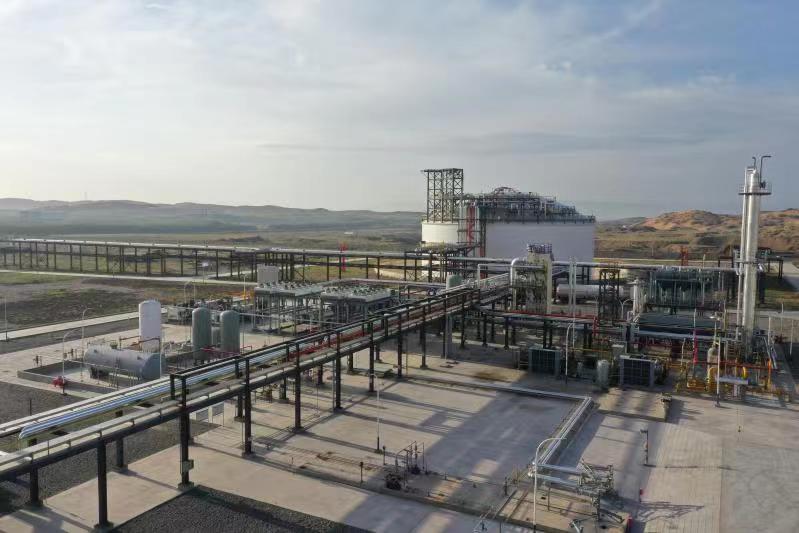
The 500,000 m³ liquefaction plant is a large-scale LNG production facility dedicated to liquefying and storing natural gas. Such plants are typically located near natural gas production sites or transportation hubs to facilitate the delivery of liquefied natural gas to needed locations.

The 300,000 m³ liquefaction plant is a specialized facility for producing liquefied natural gas (LNG) or liquefied petroleum gas (LPG). This type of plant typically employs advanced process technologies and equipment to convert natural gas or petroleum gas into liquid form through compression and cooling, facilitating storage, transportation, and usage.

A liquefaction plant is a production facility that processes natural gas by compressing and cooling it until it becomes a liquid. The primary purpose of the plant is to convert natural gas into a form that is easier to store and transport, facilitating long-distance transport and usage.

The 100,000 m³ liquefaction plant is a large-scale LNG production facility designed to liquefy natural gas for easier storage, transportation, and sales. Liquefied natural gas is a clean and efficient energy source widely used in power generation, industrial fuel, and other sectors. These plants are typically located near gas production sites or energy consumption centers to meet local LNG demand.
The 100,000 m³ liquefaction plant is a large-scale LNG production facility designed to liquefy natural gas for easier storage, transportation, and sales. Liquefied natural gas is a clean and efficient energy source widely used in power generation, industrial fuel, and other sectors. These plants are typically located near gas production sites or energy consumption centers to meet local LNG demand.
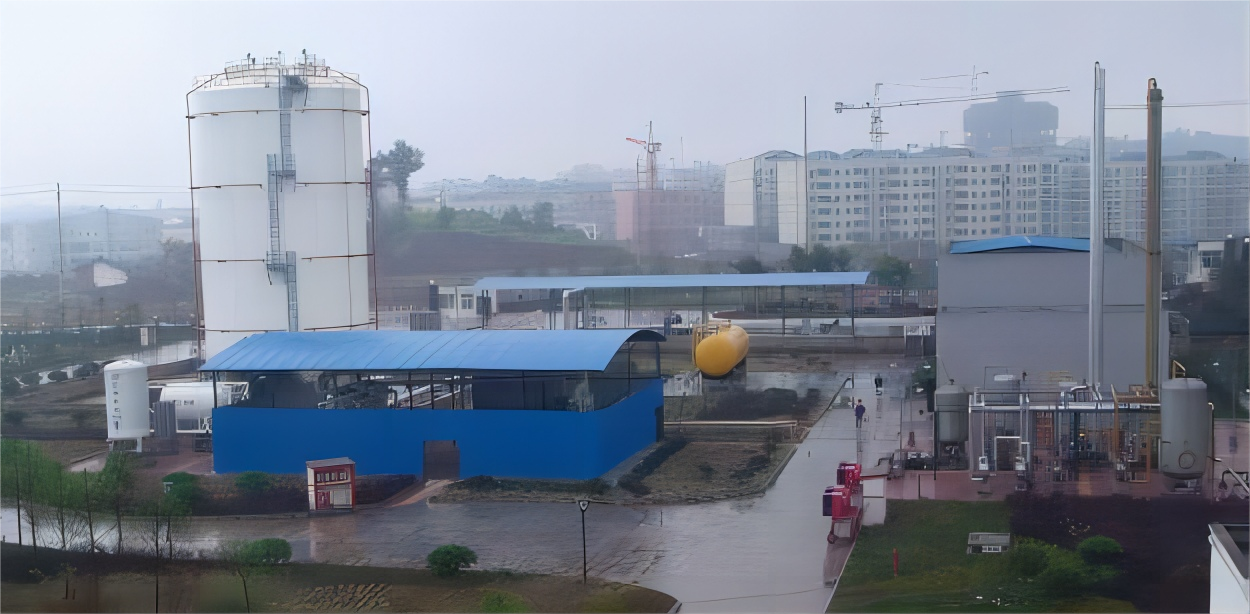
The 50,000 m³ liquefaction plant is a specialized facility for processing liquefied gases. Its primary task is to liquefy gases such as natural gas and propane to facilitate storage, transportation, and sales. During liquefaction, gases are cooled and compressed into a liquid state, making storage easier and reducing transportation costs.
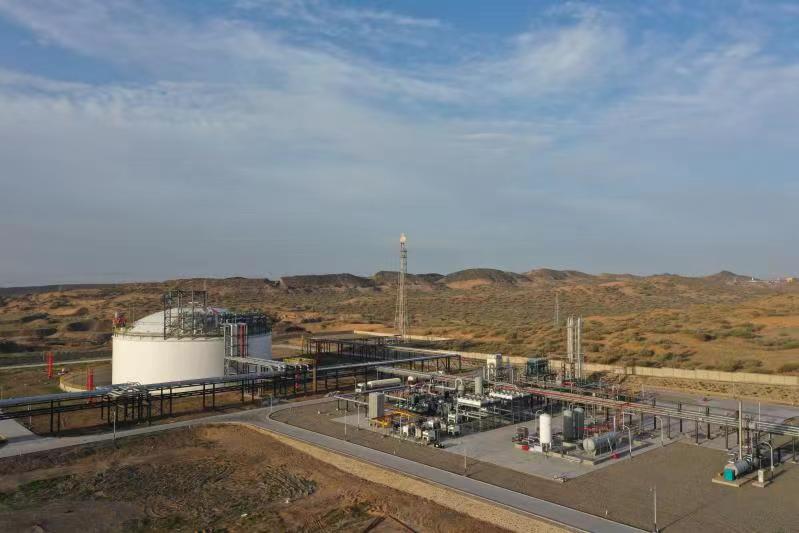
The 33,000 m³ liquefaction plant is a large-scale facility dedicated to liquefying and storing natural gas or other gases. The plant is typically equipped with advanced liquefaction technologies and equipment to ensure efficient and safe production of liquefied gas.