English

English

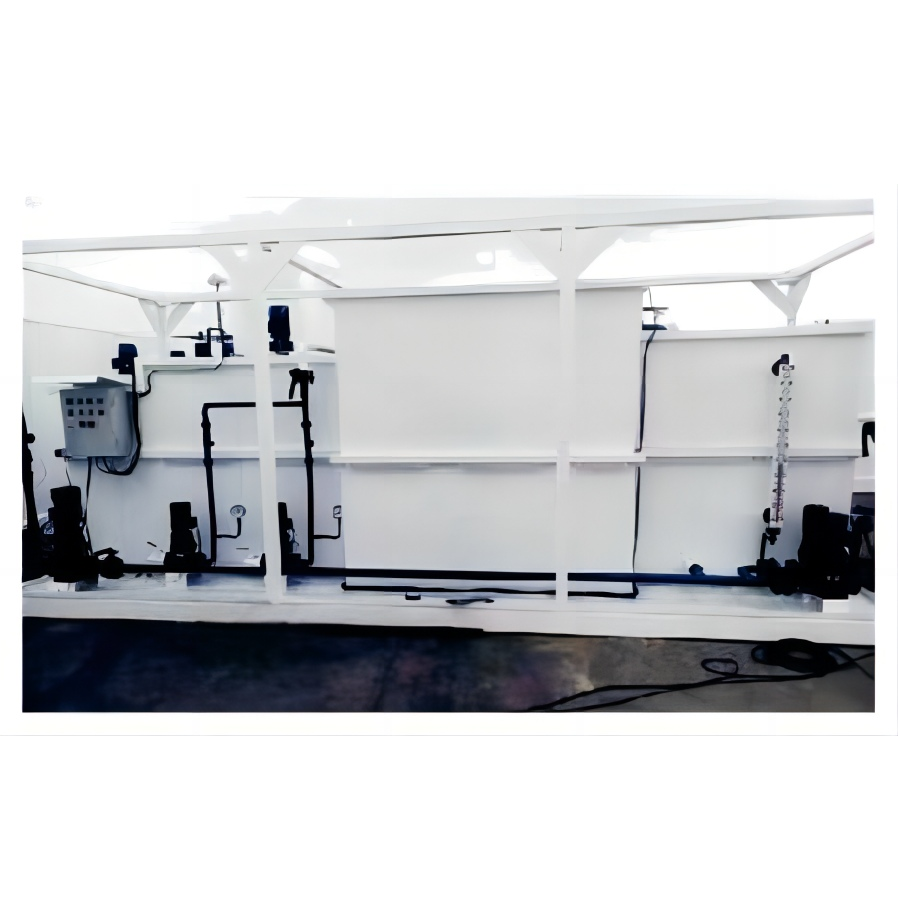
Wastewater contains pollutants such as sulfides, petroleum compounds, suspended solids, and other contaminants. Sulfides exhibit strong corrosiveness to equipment pipelines, while petroleum compounds belong to the category of mineral oil chemicals, representing a mixture of various hydrocarbons. Petroleum compounds can exist in wastewater in dissolved, emulsified, and dispersed states. When the concentration exceeds 3mg/L, it significantly inhibits the self-purification process of water bodies. Suspended solids refer to solid substances suspended in water, including inorganic and organic substances that are insoluble in water, as well as silt, clay, microorganisms, and others. The content of suspended solids in water is one of the indicators used to assess the degree of water pollution. Suspended solids are a major cause of water turbidity.
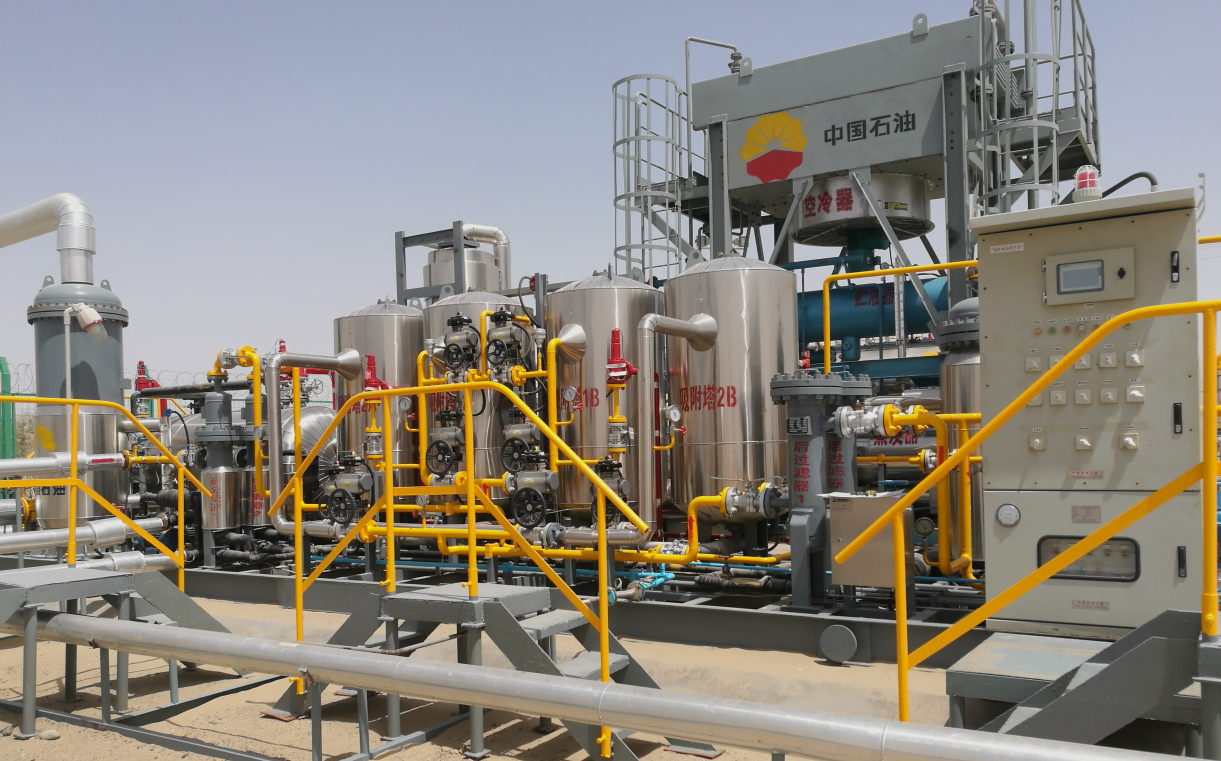
The associated gas dehydrocarbonization unit is commonly used in petroleum refining and natural gas processing. Its main function is to remove impurities and hydrocarbon compounds from crude oil or natural gas to improve product purity and meet specific quality standards.
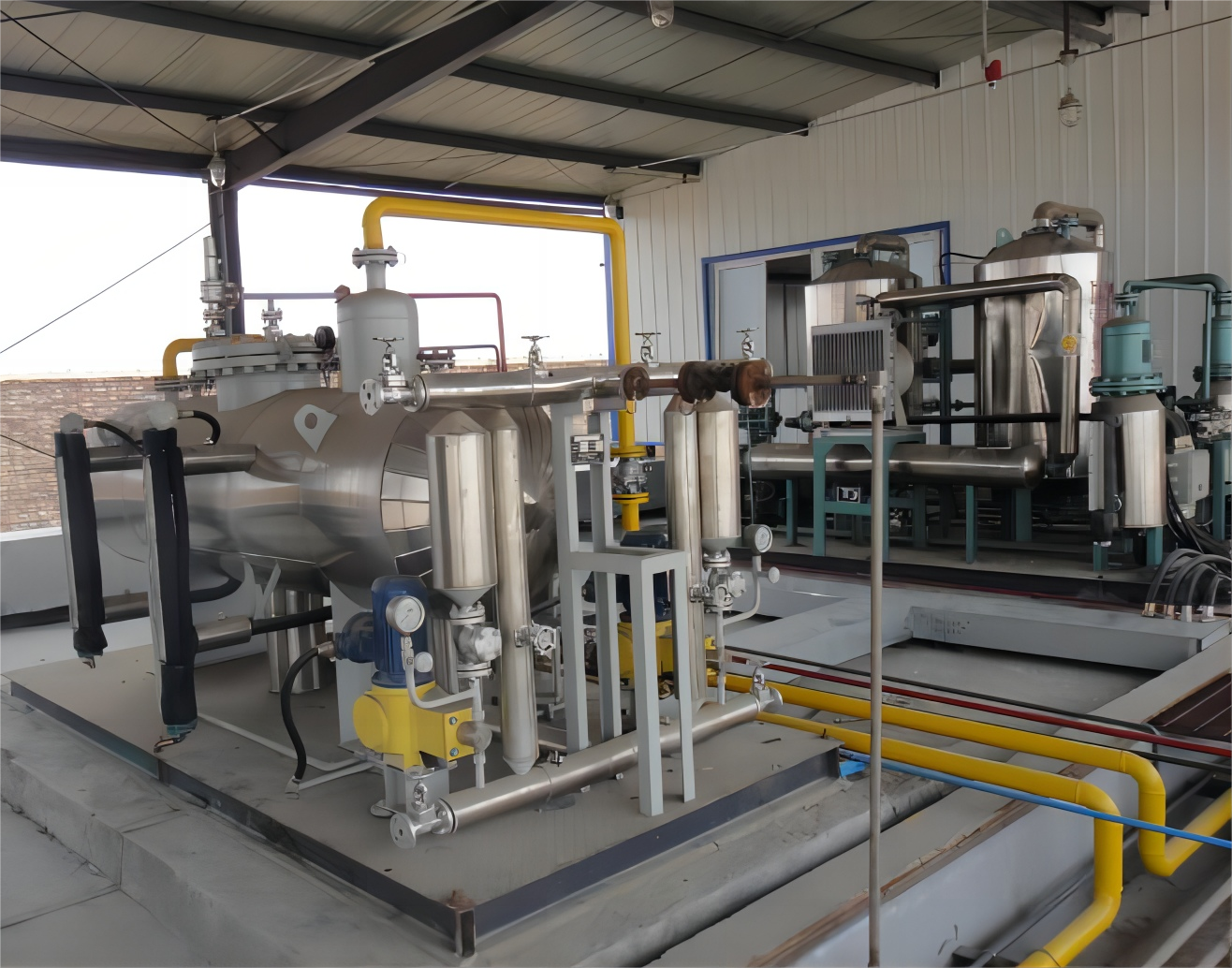
The recovery and utilization of associated gas in oil fields primarily involve the processing of the associated gases generated during the petroleum extraction process to recover valuable components such as methane, ethane, propane, butane, and so on. These components can undergo further processing and be sold externally as pure components, LPG, or natural gas blends.